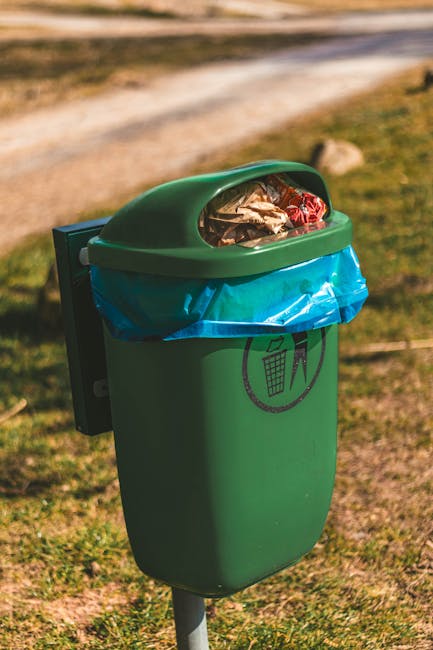
Cassiobury Park North Watford rubbish collection guide
If you are dealing with a growing pile of rubbish near Cassiobury Park in North Watford, you are probably after one thing: a clean, simple way to get it gone without drama. Fair enough. Whether it is a one-off house clear-out, garden cuttings after a wet weekend, or the leftovers from a move, rubbish collection should feel straightforward, not like a second job.
This Cassiobury Park North Watford rubbish collection guide walks through the practical side of waste removal in the area. You will find out how collection typically works, what to check before you book, which disposal methods suit different jobs, and how to avoid the usual headaches. We will keep it plain-English and useful, with enough detail to help you make a sensible decision the first time.
Table of Contents
- Why Cassiobury Park North Watford rubbish collection guide Matters
- How Cassiobury Park North Watford rubbish collection guide Works
- Key Benefits and Practical Advantages
- Who This Is For and When It Makes Sense
- Step-by-Step Guidance
- Expert Tips for Better Results
- Common Mistakes to Avoid
- Tools, Resources and Recommendations
- Law, Compliance, Standards, or Best Practice
- Options, Methods, or Comparison Table
- Case Study or Real-World Example
- Practical Checklist
- Conclusion
- Frequently Asked Questions
Why Cassiobury Park North Watford rubbish collection guide Matters
Rubbish around a home, flat, office, or garden has a way of creeping up on you. One bag becomes three, the old wardrobe sits in the hall "just for now," and before long the place feels cluttered and awkward. Around Cassiobury Park and the wider North Watford area, that matters for a few practical reasons: access can be tight, parking can be limited, and many households and businesses want waste removed quickly without blocking the street for half a day.
Having a clear rubbish collection plan matters because it helps you choose the right method for the job. Some loads are simple household waste. Others involve mixed bulky items, garden debris, renovation leftovers, or appliances that need separate handling. If you try to treat every job the same way, it usually costs more time and money than it should. Truth be told, that is where people get caught out.
There is also the trust side of it. You want waste handled properly, with recycling considered where possible and disposal carried out in line with accepted UK practice. That is especially important if the waste includes materials from a refurbishment, white goods, furniture, or anything that may be awkward to move safely. Good collection is not just about lifting bags. It is about sorting, loading, transport, and sensible disposal.
For local residents near Cassiobury Park, a reliable waste plan can also be the difference between an all-day headache and a clean, workable space by lunchtime. You know the feeling: the hallway clears, the garden feels usable again, and the job that looked impossible on Tuesday is done by Thursday morning. Small win, but a real one.
How Cassiobury Park North Watford rubbish collection guide Works
In practical terms, rubbish collection in North Watford is usually based on the type of waste, the amount you need removed, and how accessible the property is. That might sound obvious, but it is the key to getting an accurate quote and the right vehicle size. A small flat clearance and a builder's rubble load are not the same thing, even if both look like "just a pile of stuff" at first glance.
Most collection jobs start with a description of the waste. You explain what you have, roughly how much there is, where it is located, and whether anything is especially heavy, fragile, dirty, or restricted. From there, a collection team can estimate the labour, loading time, and disposal requirements. If the job is straightforward, it may be completed in one visit. If it is larger or mixed, the plan might involve more than one person or more than one load.
There are a few common collection routes people use:
- Man-and-van style rubbish removal for mixed household rubbish, bulky items, and smaller clear-outs.
- Skip-based disposal for DIY projects, building waste, or jobs where you can fill at your own pace.
- Specialist item removal for appliances, mattresses, sofas, or hazardous materials.
- Full-property clearance for homes, flats, lofts, garages, offices, and gardens.
If you are not sure which route is right, start by thinking about access and urgency. A skip can be handy if you have room and time. A direct collection is often better if you want everything taken away in one go and do not want a container sat outside for days. For busy households and property managers, that difference matters more than people expect.
If you are comparing waste options, it can help to look at the service pages for waste removal, house clearance, and garden clearance. Those are useful starting points when the job is broader than a few bin bags.
Key Benefits and Practical Advantages
Good rubbish collection saves more than physical effort. It also saves decision fatigue, which is a bit of a hidden cost. Once waste starts stacking up, you spend time stepping around it, planning around it, and wondering how to deal with it. Getting it removed resets the space. Simple as that.
Here are the main advantages people usually notice:
- Faster turnaround - useful when you need a room, driveway, or garden cleared quickly.
- Less heavy lifting - especially helpful for bulky furniture or awkward items.
- Better recycling potential - mixed waste can often be sorted more carefully than a rushed DIY disposal.
- Cleaner property presentation - important for sales, lettings, and landlord inspections.
- Safer handling - fewer risks from broken items, sharp edges, or overloaded bags.
- More predictable planning - you know who is arriving and what is going out.
There is also a comfort factor. That smell from damp cardboard in a shed? The clutter in a loft that makes the hatch awkward to open? Gone. You notice the difference straight away, even before the space is fully reorganised.
For businesses and landlords, these advantages often stack up. A clear office or commercial unit is easier to hand over, easier to clean, and easier to assess for repairs. If you want a route that suits commercial premises, have a look at business waste removal and office clearance.
Who This Is For and When It Makes Sense
This guide is for anyone in or around Cassiobury Park and North Watford who needs a practical rubbish collection solution, not a lecture on waste theory. That includes homeowners, tenants, landlords, letting agents, tradespeople, shop owners, and office managers. It also makes sense for people who simply do not want to spend their weekend making endless trips to a disposal point. Let's face it, most of us have better things to do.
It tends to be especially useful in these situations:
- You have a bulky item or several bulky items that will not fit in a car.
- You are clearing out a loft, garage, shed, or spare room.
- You have mixed waste after decorating, repairing, or renovating.
- You are moving out and need the place emptied quickly.
- You are managing a rental and need reliable turnaround between tenancies.
- You have garden waste after pruning, digging, or landscaping.
- You need furniture, appliances, or mattresses taken away.
If the job is mainly household clutter, a home clearance or flat clearance may be the cleanest option. If it is more specialised, such as a stripped-out renovation, builders waste clearance might be the better fit.
Sometimes the right answer is simply a one-off collection. Other times, it is a full clearance with sorting, loading, and removal built into the service. That is where a bit of judgement helps. If the waste has been building up for months, do not undersell the size of the job. People do that all the time, then wonder why the van is fuller than expected by 9:20 a.m.
Step-by-Step Guidance
If you want the whole thing to go smoothly, approach it in a calm, sensible order. Not complicated. Just organised.
- Walk the space and identify everything that needs to go. Be ruthless. If an item is staying, move it out of the waste pile straight away.
- Separate waste into broad categories. For example: general rubbish, bulky furniture, garden waste, appliances, and any hazardous items. You do not need perfect sorting, just enough to make the collection clearer.
- Check access points. Note stairs, narrow hallways, parking restrictions, and whether anything needs dismantling before removal.
- Measure larger items if needed. A quick estimate helps if you are dealing with beds, wardrobes, desks, or white goods.
- Ask what can and cannot be collected. If there is a question mark over paint, chemicals, gas cylinders, or other controlled waste, raise it early.
- Compare collection methods. Decide whether you need a direct rubbish removal, a skip, or a specialist service.
- Confirm the booking details. Check arrival window, payment expectations, and whether labour for loading is included.
- Prepare the waste for easy access. Put bags together, open gates, and clear the route if possible. A neat path can save a surprising amount of time.
- Do a final sweep after collection. Look for small items under shelves, behind furniture, or in corners. There is always one sneaky bit left behind, isn't there?
If you want to understand what can be loaded into a container versus what needs special handling, the page on what can go in a skip is a useful reference point. It helps especially if you are comparing your options before booking.
Expert Tips for Better Results
A few small decisions make a big difference. Most rubbish collection problems are not dramatic; they are just messy little oversights. The good news is they are easy to avoid once you know where people slip up.
- Put the heaviest items nearest the access route. This speeds up loading and reduces strain.
- Keep sharp or broken items visible. Do not bury cracked glass or metal offcuts under bags.
- Photograph mixed loads before collection. It is a simple way to avoid confusion over volume or item type.
- Separate reusable items from true waste. It can reduce the load and sometimes the cost.
- Plan around weather. If you are removing garden waste or damp materials, a dry morning is easier to manage than a soggy afternoon. You will notice the difference almost immediately.
- Be honest about the volume. Underestimating waste is the fastest route to a second trip.
For furniture-heavy jobs, it is worth checking specific disposal routes for a safer, cleaner process. Pages such as furniture disposal, furniture clearance, and mattress and sofa disposal can help you choose the right service if the load includes large household items.
And if you are dealing with an appliance, do not just drag it outside and hope for the best. Fridges, freezers, and certain electricals often need proper handling. Fridge and appliance removal is worth a look when the waste includes white goods.
Common Mistakes to Avoid
People usually do not get rubbish collection wrong because they are careless. More often, they are in a hurry. Still, a few predictable mistakes keep turning up.
- Mixing prohibited items into a general load. If something is potentially hazardous, mention it before the booking.
- Forgetting access limitations. A van may be ready, but if the stairwell is too tight or parking is restricted, the job slows down fast.
- Assuming all waste can be treated the same way. It cannot. Garden waste, builders' rubble, office files, and old appliances may need different handling.
- Leaving sorting until collection day. That creates stress and usually makes the job longer than it should be.
- Not checking what is included in the service. Loading, dismantling, lifting from upper floors, and disposal fees may all affect the final arrangement.
Another common one: people think they need to "make the job look smaller" to save money. In practice, that often backfires. The team arrives, sees the real volume, and now everyone is having a slightly awkward conversation on the driveway. Better to be upfront from the start.
If the waste includes items with a higher handling risk, such as chemicals or certain DIY leftovers, look at hazardous waste disposal before you book. It is far better to flag these items early than to discover the issue halfway through loading.
Tools, Resources and Recommendations
You do not need a warehouse full of equipment to manage a rubbish collection well. A few basic tools, though, make the process smoother.
- Heavy-duty bin bags for smaller mixed rubbish.
- Labels or marker tape for separating items you want to keep from items to remove.
- Gloves and sturdy shoes if you are moving objects yourself before collection.
- A tape measure for bulky furniture or tight access points.
- Phone camera for quick photos of the load before booking.
- Basic screwdriver or Allen key set if anything needs partial dismantling.
For people who want a clearer idea of booking, pricing, and payment structure, these pages can help without adding noise: pricing and quotes, book online, and payment and security. If your priority is reducing landfill and improving the handling of mixed waste, recycling and sustainability is also worth a read.
For people comparing service providers, background and trust signals matter too. A clear about us page, practical insurance and safety information, and a visible complaints procedure are all reassuring signs that a company takes the work seriously.
Law, Compliance, Standards, or Best Practice
Waste disposal in the UK is not something to be casual about. You do not need to be a legal expert to manage a household clear-out, but you do need to stay on the right side of basic duty of care and safe handling. In simple terms, the person arranging waste removal should think carefully about what is being handed over, and to whom.
Best practice usually means:
- describing waste accurately before collection,
- separating hazardous or specialist items where possible,
- using a collector who can demonstrate sensible handling and disposal practices,
- keeping records or confirmations where they are provided,
- avoiding fly-tipping or informal disposal arrangements.
For trade, commercial, and refurbishment waste, the standards are even more important. Office files, confidential paperwork, and mixed business waste should be managed carefully, especially where privacy or security is involved. If that is relevant, confidential shredding may be a better fit than general disposal.
Safety matters too. Heavy lifting, loose glass, nails, splinters, and awkward furniture can cause avoidable injuries. The sensible approach is to use proper handling methods, work in pairs when needed, and avoid overloading bags or lifting something that should really be dismantled first. The boring stuff is often the important stuff.
Options, Methods, or Comparison Table
If you are choosing between collection methods, this quick comparison can help you decide without overthinking it.
| Method | Best for | Strengths | Watch-outs |
|---|---|---|---|
| Direct rubbish collection | Mixed household waste, bulky items, quick clear-outs | Fast, convenient, minimal disruption | Needs clear access and accurate load description |
| Skip hire | DIY waste, ongoing projects, filling over time | Good for slower jobs, flexible loading | Requires space, permits may be needed depending on placement |
| Full property clearance | House, flat, loft, garage, garden, office | Most complete solution, less effort for the customer | Needs planning for volume, access, and item types |
| Specialist item removal | Appliances, mattresses, sofas, hazardous items | Safer handling, item-specific disposal approach | May need separate booking or prior notice |
If you are stuck between a skip and a collection team, ask yourself one blunt question: do you want to fill waste at your own pace, or do you want it gone in one organised visit? That usually answers it.
For many North Watford properties, especially flats, terraced houses, and places with awkward parking, direct collection is often easier than placing a skip. For bigger renovation work, though, skip-related planning may still make sense. There is no one perfect answer. Just the right one for the job.
Case Study or Real-World Example
Picture a typical late-spring clear-out near Cassiobury Park. A family has just finished decorating the living room and sorting the garage. The pile includes broken shelves, an old sofa, a few black bags of mixed rubbish, some cardboard, garden trimmings, and a fridge that no longer starts. Nothing dramatic, just one of those jobs that quietly gets out of hand over a couple of weeks.
They start by listing everything, then move the furniture away from the front path and separate the appliance from the rest of the waste. They realise the fridge needs specialist handling, while the mixed rubbish and garage clutter can go together. Because the access is a little tight, they make sure the items are near the driveway and clear a route through the hall before collection day. It takes a bit of effort, yes, but not much. The difference it makes is noticeable straight away.
By the end of the visit, the hallway is open again, the garage floor can actually be seen, and the back garden feels usable. There is room to walk without stepping around a random chair leg or a box of who-knows-what. That kind of result is what people usually want: not a dramatic story, just a practical clean-up that restores order.
In cases like that, a combined approach often works best, using furniture clearance for bulky pieces, garage clearance for stored clutter, and fridge and appliance removal for the white goods. It keeps the job tidy and avoids last-minute surprises.
Practical Checklist
Use this before booking rubbish collection in North Watford. It saves time, and a bit of stress too.
- Confirm exactly what needs removing.
- Separate keep, donate, recycle, and waste piles.
- Check whether any items are hazardous or specialist.
- Measure large furniture or awkward items.
- Note stairs, parking issues, gates, and narrow access.
- Ask how the load will be handled and loaded.
- Check whether disposal, labour, and collection are included.
- Prepare the waste so it is easy to reach.
- Keep pets and small children away from the loading route.
- Do a final sweep of rooms, sheds, lofts, and under stairs.
If you are dealing with a bigger domestic project, pages such as loft clearance, house clearance, and garage clearance can help you think about the scope before you book.
Expert summary: the best rubbish collection plan is usually the simplest one that matches the waste type, access, and urgency. If you get those three right, everything else tends to fall into place.
Conclusion
A good rubbish collection plan for Cassiobury Park and North Watford is really about making a messy situation feel manageable. Start with what you have, think about access, choose the disposal route that fits the job, and do not ignore specialist items that need separate handling. Keep it sensible, keep it honest, and the process is usually far easier than people fear.
Whether you are clearing a single bulky item or dealing with a full property, the right approach can save time, reduce strain, and leave you with a proper clean slate. And honestly, that feeling of an uncluttered space after a rubbish collection is one of those small everyday pleasures that never gets old.
Get a free quote today and see how much you can save.
If you want to learn more about the company behind these services, you can also review the about us page and the terms and conditions before you book. That little bit of checking can go a long way.
Frequently Asked Questions
What is the best rubbish collection option for Cassiobury Park North Watford?
The best option depends on the waste type and how quickly you need it removed. For mixed household rubbish, bulky items, and one-off clear-outs, direct rubbish collection is often the easiest choice. For DIY waste or jobs that will be filled over time, a skip may suit better.
Can rubbish collection include bulky furniture?
Yes, in many cases it can. Sofas, wardrobes, tables, mattresses, and similar items are commonly collected, although it is worth checking item-specific pages such as furniture clearance or mattress and sofa disposal if the load is large or awkward.
What should I do before the collection team arrives?
Make sure the waste is accessible, remove items you want to keep, and clear the route if possible. If you can separate general rubbish from specialist items, that helps too. It sounds basic, but it makes a noticeable difference on the day.
Can I mix garden waste with household rubbish?
Sometimes yes, but it depends on the collector and the type of waste. Mixed loads are common, though separating garden waste can make sorting and disposal more efficient. If the load is mainly outdoor waste, garden clearance is often the cleaner option.
How do I know if I need hazardous waste disposal?
If the waste includes chemicals, paint, solvents, certain DIY materials, or other items that may need special handling, treat it as a potential hazardous load and ask before booking. It is better to flag it early than guess and hope for the best.
Is rubbish collection better than hiring a skip?
Neither is always better. Rubbish collection is often more convenient for quick clear-outs and awkward access, while skip hire can be useful if you want to load waste gradually. The right choice depends on pace, space, and volume.
What happens to the rubbish after collection?
That depends on the waste type and the collector's sorting process. Good practice is to separate recyclable material where possible and dispose of the rest responsibly. If sustainability matters to you, the recycling and sustainability page is worth a look.
Can you collect rubbish from a flat or upper floor?
Yes, although access details matter. Stairs, lifts, narrow corridors, and parking restrictions all affect how the collection is planned. If you live in a flat, flat clearance is usually the better starting point than treating it like a standard curbside job.
Do I need to sort everything perfectly before collection?
No, not perfectly. Broad separation is usually enough, such as keeping special items apart from general rubbish. The main thing is to avoid hidden hazards and make the load easy to understand.
How can I reduce the cost of rubbish collection?
You can often reduce cost by being accurate about the volume, separating reusable items, and making access easier for the team. Also, avoid adding extra waste at the last second. That one catches people out more than they expect.
Is there a difference between home clearance and waste removal?
Yes. Waste removal usually refers to taking away rubbish and unwanted items, while home clearance suggests a broader, more structured removal of contents from a property or part of a property. If you are dealing with several rooms or a full declutter, home clearance may be more suitable.
What if I am not sure which service I need?
Start by listing the item types and the rough volume. Then compare waste removal, house clearance, garage clearance, or office clearance depending on the space involved. If the job is still unclear, contact the provider and describe the load in plain language. That usually sorts it out quickly.