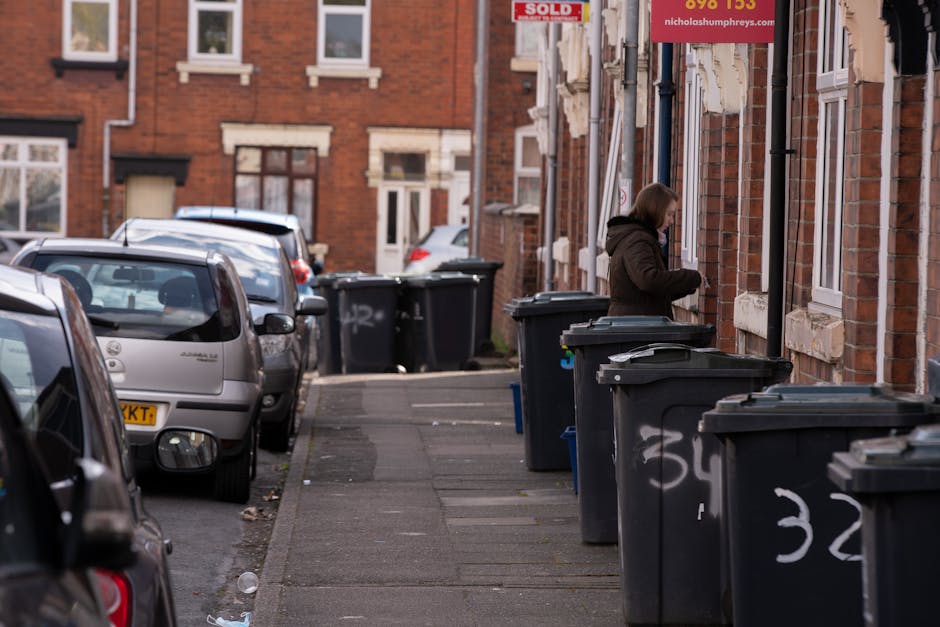
Watford Junction rubbish removal options for WD17 homes: a practical local guide
If you live near Watford Junction and need clutter, bulky items, or renovation waste gone quickly, the choices can feel oddly confusing. Skip hire, wait for council collections, do it yourself, book a man and van style clearance, or arrange a full house clearance? Each option has pros, trade-offs, and little details that matter more than people expect. This guide on Watford Junction rubbish removal options for WD17 homes breaks it all down in plain English, so you can pick the route that fits your home, your timetable, and your budget without second-guessing yourself.
You will find practical comparisons, common mistakes, compliance basics, and a step-by-step approach that is useful whether you are clearing a flat near the station, sorting a garage in WD17, or dealing with a bigger family home tidy-up. Let's face it, rubbish removal is rarely exciting. But getting it wrong can be messy, expensive, and stressful. Getting it right feels like a weight off your shoulders.
Table of Contents
- Why Watford Junction rubbish removal options for WD17 homes matters
- How Watford Junction rubbish removal options for WD17 homes works
- Key benefits and practical advantages
- Who this is for and when it makes sense
- Step-by-step guidance
- Expert tips for better results
- Common mistakes to avoid
- Tools, resources and recommendations
- Law, compliance, standards, or best practice
- Options, methods, or comparison table
- Case study or real-world example
- Practical checklist
- Conclusion
- Frequently asked questions
Why Watford Junction rubbish removal options for WD17 homes Matters
Watford Junction sits in a busy, lived-in part of town. Homes around WD17 can be anything from compact flats and terraces to larger family properties with lofts, sheds, and gardens full of stuff that has quietly accumulated over the years. That means rubbish removal is not just about "getting rid of junk". It is about choosing a method that works with real life: narrow driveways, parking limits, awkward access, shared entrances, and neighbours who do not want a mountain of waste outside for days.
For many households, the need appears all at once. A loft gets cleared before a move. A sofa finally gives up. The garden takes over after a wet spring. Or a quick DIY job turns into a pile of rubble, timber, and packaging that refuses to disappear by itself. In those moments, knowing your options saves time and frustration.
It also matters because rubbish is not one-size-fits-all. Mixed household waste, furniture, white goods, builder's rubble, green waste, and hazardous items all need different handling. Some can go into a skip, some are better removed by a clearance team, and some need specialist disposal. If you choose badly, you can end up overpaying, overfilling, or simply sitting with waste that cannot legally be collected the way you expected.
There is also a practical peace-of-mind angle. A good clearance plan means less lifting, less sorting, and fewer chances of breaking something on the way out the door. If you have ever tried to wrestle an old wardrobe down a narrow staircase at 7pm on a Tuesday, you probably already know the feeling. Not ideal. Not at all.
For a broader look at disposal and clearance services, it can help to understand the difference between general waste removal, full property clearance, and specific item disposal such as furniture disposal or mattress and sofa disposal.
How Watford Junction rubbish removal options for WD17 homes Works
At a basic level, rubbish removal follows the same sequence wherever you are: identify what needs to go, separate what must be kept or recycled, choose the right collection method, and arrange collection or drop-off. In practice, the details shape the whole experience.
For WD17 homes near Watford Junction, the most common routes are:
- Local council collection or household waste services for smaller, routine items where timing is flexible.
- Skip hire for bulky volumes, renovation debris, or when you want to load waste over several days.
- Man and van / rubbish clearance for quick loading, same-day convenience, and mixed items that are awkward to transport yourself.
- Specialist item disposal for furniture, appliances, mattresses, fridges, or hazardous waste.
Each route has a different feel. Skip hire is often best when the waste will build up over time. Clearance services are usually better when you want the rubbish gone in one visit. If you are clearing a loft, garage, or whole flat, a service that loads everything for you can be a genuine back-saver.
The process usually starts with a description or a quote request. Good providers will want to know the type of waste, approximate volume, access issues, and whether anything needs special handling. A decent quote should be based on what is actually there, not vague guesswork. If you are comparing options, pricing and quotes pages are often useful because they explain what affects cost and what information helps get an accurate estimate.
Collection day is where the convenience shows. A team arrives, assesses the load, and removes the waste. The better organised the pile, the faster this tends to go. But even when the waste is messy, a proper service should still sort it sensibly and handle it in line with accepted disposal practices.
Some jobs need more specialist planning. For example, a broken fridge, freezer, or washer should be treated differently from bags of general rubbish. That is where fridge and appliance removal can be a smarter route than trying to bundle everything together.
Key Benefits and Practical Advantages
The best rubbish removal option is not always the cheapest on paper. It is usually the one that saves the most time, hassle, and hidden effort. Here is where the real value tends to show up.
- Speed: If you need waste gone before a sale, move, inspection, or builder arrives, a fast collection is often worth paying for.
- Less physical strain: Heavy lifting is not for everyone, and truth be told, even fit people can twist a back carrying a sofa down stairs.
- Better use of space: A cleared hallway, loft, or garden makes a house feel more liveable straight away.
- Improved safety: Loose boards, broken glass, rusty metal, and stacked rubbish can become hazards fast.
- More suitable handling of mixed waste: Different items can be separated, recycled, or treated correctly rather than shoved into one awkward pile.
- Less stress around access and timing: Helpful when you live on a busy road, in a flat, or in a home with limited parking.
There is another benefit people sometimes overlook: momentum. Once rubbish starts leaving the property, the rest of the clear-out feels easier. A messy room can look impossible at 9am and manageable by lunchtime. Funny how that works.
For homeowners doing broader clear-outs, related services such as home clearance, house clearance, or flat clearance can be especially practical when the job is bigger than a bin bag or two.
Who This Is For and When It Makes Sense
Not every home needs the same waste solution. Some people only need one awkward item taken away. Others are dealing with a full property reset. The right option depends on what you are clearing and how quickly you need the space back.
This is typically relevant if you are:
- Moving out of a WD17 property and need to leave the place tidy.
- Clearing a spare room, loft, garage, or shed near Watford Junction.
- Renovating a kitchen, bathroom, or bedroom.
- Replacing old furniture, appliances, or mattresses.
- Dealing with garden waste after pruning, landscaping, or storm damage.
- Sorting a property after tenants move out or family arrangements change.
It also makes sense if access is awkward. In many homes near a station area, parking is not exactly generous, and lugging bags to a distant skip or collection point is annoying at best. If you have limited time, no van, or waste that is too bulky for the car, a professional clearance option is usually the calmer route.
For homes with concentrated clutter in storage spaces, the most sensible route might be loft clearance or garage clearance rather than a general one-off collection. Those services are especially helpful when the pile includes a mix of old boxes, broken household items, and forgotten bits that have been living in the dark for years. We have all got one of those spaces, or know someone who does.
Step-by-Step Guidance
If you want to make rubbish removal smoother, a little preparation goes a long way. Here is a practical way to handle it.
- Walk through the property and list the waste. Note the type of items, rough quantity, and anything awkward like large furniture, builders' debris, or electricals.
- Separate what should stay. This sounds obvious, but mixed clear-outs often go wrong here. Put aside documents, keepsakes, tools, chargers, and anything you may need again.
- Identify special items early. Mattresses, fridges, freezers, chemicals, paints, and damaged electrical goods can require different handling.
- Think about access. Is there a lift? Stairs? A narrow side passage? Will a vehicle be able to stop nearby? These details affect both timing and price.
- Choose the right removal method. Small volume and flexibility may suit council-style collection or skip hire. Larger mixed loads often suit a clearance team.
- Request a clear quote. Ask what is included, what is not, and whether labour, loading, and disposal are covered.
- Prepare the waste for collection. Group similar items together where possible. Keep the path clear and make sure access points are unlocked.
- Confirm what happens next. A good provider should explain the collection window, payment method, and what they do with recyclable items.
For larger renovation jobs, it may help to compare a clearance approach with a skip. If you are unsure which will suit your volume and access better, the guide on what can go in a skip is a useful reference point before you commit.
Expert Tips for Better Results
In our experience, the easiest jobs are the ones where the homeowner has done a bit of sorting before collection day. Nothing dramatic. Just enough to keep the job moving.
Tip 1: Separate recyclables where it is practical. Wood, metal, cardboard, and clean hard plastics are often easier to process when they are not buried under mixed waste.
Tip 2: Be realistic about volume. People regularly underestimate how much space old chairs, wardrobes, and broken shelving take up. A pile that looks manageable against the wall can fill a van fast.
Tip 3: Clear a path before the team arrives. Hallways, stairs, and doorways make the difference between a quick job and a slightly clumsy one.
Tip 4: Flag fragile or heavy items. Glass tops, old white goods, and sharp metal edges are the sort of thing that can go awkward in a hurry.
Tip 5: Ask what happens to reusable items.
Some waste can be redirected, reused, or recycled, and that is often better for both cost and conscience. If sustainability matters to you, recycling and sustainability information can help set expectations in a straightforward way.
Tip 6: Don't leave hazardous or restricted items until the last minute. Paint tins, solvents, oils, and certain household chemicals need special handling. Mixing them into general rubbish is asking for problems.
A small aside, but a useful one: if you are clearing a room after years of storage, wear gloves. You know the kind of dust and mystery fluff I mean. Not glamorous, just sensible.
Common Mistakes to Avoid
A lot of rubbish removal problems come from rushing. It is rarely the waste itself that causes the headache; it is the assumptions around it.
- Choosing a service before checking access: A narrow stairwell or awkward parking bay can change how the job is handled.
- Mixing everything together without checking restricted items: This can delay collection or lead to extra charges.
- Ignoring the difference between bulky waste and general rubbish: One item can need specialist disposal, especially white goods or mattresses.
- Forgetting about hidden spaces: Loft corners, under-stairs cupboards, and garage shelves often contain more waste than expected.
- Not confirming what is included in the quote: Loading, disposal, labour, and special items should be clear from the start.
- Leaving it too late before a deadline: Move-out dates, renovation schedules, and landlord inspections have a way of sneaking up.
Another common slip is assuming the cheapest option is the simplest. Sometimes it is, but not always. A cheap skip is not especially cheap if you cannot access it properly, and a low quote for clearance is not helpful if it suddenly excludes the awkward bits once the team arrives. Slightly frustrating, to be honest.
Tools, Resources and Recommendations
You do not need a van-load of equipment to organise a good clearance. A few simple tools make the job easier and safer.
- Heavy-duty bin bags for loose household waste.
- Gloves for dust, splinters, and rough surfaces.
- Marker pens and labels to separate keep, donate, recycle, and remove.
- A tape measure for large furniture or appliances that need checking against doors and stairs.
- Simple storage boxes if you are clearing one area while deciding what stays.
Useful service areas to consider include furniture clearance for bulky household items, garden clearance for outdoor waste, and builders waste clearance for renovation debris. If the job is more all-encompassing, a house clearance can be the cleaner option.
For homeowners who prefer to book directly and keep things moving, the book online page can be a practical next step, especially when the waste is already sorted and you just need a clear slot in the diary.
Law, Compliance, Standards, or Best Practice
Rubbish removal in the UK is not just a matter of "someone taking it away". Waste must be handled responsibly, and homeowners should be careful about who they hand it to. If a collector is not dealing with waste properly, the original owner can still end up with a problem, especially if the waste is fly-tipped or disposed of unlawfully.
That is why best practice matters. A trustworthy clearance provider should:
- Describe how waste is collected and handled.
- Separate items for recycling where appropriate.
- Handle hazardous or specialist waste carefully.
- Provide clear pricing and terms.
- Operate with sensible safety and insurance arrangements.
If you want reassurance around operational standards, pages such as insurance and safety and health and safety policy are the kind of things that should exist and be easy to understand. Likewise, transparent terms and conditions and privacy policy help show that a business is taking the boring-but-important bits seriously.
There is also a straightforward environmental expectation in modern waste handling: do not treat everything as landfill-bound if it can be recycled or recovered properly. That does not mean every item can be saved, of course. But the better the sorting and routing, the better the outcome.
Options, Methods, or Comparison Table
Here is a simple comparison to help you choose the right route for a WD17 home.
| Option | Best for | Main advantages | Possible drawbacks |
|---|---|---|---|
| Council-style collection | Smaller, routine items | Low effort for minor loads | Often slower, less flexible, and not ideal for bulky mixed waste |
| Skip hire | DIY waste, rubble, and ongoing clear-outs | Good if waste builds over several days | Needs space, permits may apply, and loading is your responsibility |
| Rubbish clearance service | Mixed waste, bulky items, quick turnarounds | Fast, labour included, ideal for awkward access | May cost more than doing the lifting yourself |
| Specialist item disposal | Appliances, mattresses, sofas, hazardous items | More suitable for awkward or regulated waste | Not a one-size-fits-all solution |
If your project involves a lot of timber, plasterboard, brick, or renovation debris, builders waste clearance is usually a more relevant fit than a general household tidy-up. If it is mostly old seating, beds, or wardrobes, then services around mattress and sofa disposal may line up better with what you actually need.
Case Study or Real-World Example
Imagine a WD17 terrace near Watford Junction where the homeowner is preparing for decorators. The loft contains Christmas decorations, broken suitcases, old suit carriers, a desk chair that has seen better days, and several bags of unknown odds and ends. The garden shed has a rusted bike frame, cracked plant pots, and damp cardboard. The hallway is narrow, and the car is parked further away than anyone would like.
Trying to clear that with a small car and a goodwill attitude would be a bit of a saga. A skip might sound sensible at first, but the access and loading effort could become annoying quickly. In that sort of situation, a clearance team is often the cleaner choice because they can remove mixed waste from different parts of the property in one visit. No endless walking back and forth, no late-night loading in the rain, and no pile of rubbish sitting outside for days.
A job like that usually starts with a rough description, then a collection arranged at a convenient time. The homeowner sorts the keep items first, flags the awkward bits, and leaves clear access to the loft ladder and garden gate. By lunchtime, the clutter is gone and the room feels twice as large. Not magic. Just efficient.
That kind of real-world fit is why Watford Junction rubbish removal options for WD17 homes should be judged by access, item type, and time pressure, not just by headline price.
Practical Checklist
Use this checklist before you book any rubbish removal service.
- List the items you want removed.
- Separate anything you want to keep.
- Check for mattresses, fridges, chemicals, paints, or other specialist waste.
- Measure bulky furniture if access looks tight.
- Confirm whether the waste is mostly general rubbish, bulky items, or renovation debris.
- Think about parking and access near the property.
- Ask what is included in the quote.
- Check whether recycling and sorting are part of the service.
- Choose a time window that fits your schedule and any building access rules.
- Prepare the area so the collection can happen quickly and safely.
If you are still deciding between disposal routes, it may also help to look at furniture disposal or other item-specific services rather than forcing everything into one general plan. The right fit is often more straightforward than it first seems.
Conclusion
When you strip it back, the best Watford Junction rubbish removal options for WD17 homes are the ones that match the waste, the property, and your timing. A small load may only need a simple collection. A home full of mixed clutter may be better served by a clearance team. A renovation job could call for a skip. The trick is not to guess too quickly.
Take a minute to sort the waste type, check the access, and think through what would make the day easiest for you. That one bit of planning usually saves far more hassle than people expect. And once the waste is gone, the space feels different straight away. Cleaner. Calmer. Lighter. It is a good feeling, honestly.
Get a free quote today and see how much you can save.
For any home near Watford Junction, the goal is simple: get the job done safely, sensibly, and without making the week harder than it needs to be. A tidy space has a way of giving you a bit of breathing room, and sometimes that is exactly what you need.
Frequently Asked Questions
What is the best rubbish removal option for a WD17 home near Watford Junction?
The best option depends on what you need removed. For mixed bulky items or a bigger clear-out, a rubbish clearance service is often the easiest choice. For rubble or waste that will build up over several days, skip hire may be better.
Is skip hire better than a rubbish clearance service?
Not always. Skip hire works well if you can load waste yourself and have space for the skip. A clearance service is often better if access is tight, the waste is bulky, or you want the lifting handled for you.
Can I get rid of a sofa or mattress with general rubbish?
Sometimes, but it is usually better to use a specialist disposal route. Sofas and mattresses are bulky, awkward, and often better handled through item-specific disposal rather than mixed general waste.
What happens to the rubbish after it is collected?
It should be sorted, with recyclable materials separated where practical and the rest sent for appropriate disposal. If you care about responsible handling, ask how the provider deals with recycling and recovery.
How do I know if I need house clearance or just rubbish removal?
If you are clearing several rooms, a loft, or an entire property, house clearance may be the better fit. If it is just a pile of waste, a garage corner, or a few bulky items, a standard removal service may be enough.
Can rubbish removal deal with broken appliances?
Yes, but appliances such as fridges, freezers, washing machines, and ovens may need specialist handling. It is best to mention them in advance so the right collection can be arranged.
What if I have garden waste as well as old furniture?
Mixed waste is common in real homes. A clearance service can often handle both, but it helps to describe the load clearly so any special handling or recycling needs are accounted for.
Are there any items I should not mix with normal household rubbish?
Yes. Paints, solvents, oils, chemicals, gas canisters, and some electrical items may need special disposal. If in doubt, keep them separate and ask before collection.
How much notice do I need for rubbish removal?
That depends on the provider and the type of waste. Smaller collections may be arranged quickly, while larger or more specialist jobs often need more notice. If you have a deadline, mention it early.
Is it cheaper to clear waste myself?
Sometimes, but only if you already have the right vehicle, the time, and the strength to move everything safely. Once you factor in fuel, disposal access, parking, and your own time, DIY is not always the bargain it first appears to be.
What should I check before booking a clearance team?
Check the type of waste, access to the property, what is included in the quote, and how the company handles recycling and specialist items. A few careful questions upfront can prevent awkward surprises later.
Can rubbish removal help with a loft or garage that has been full for years?
Absolutely. Loft and garage clearances are often exactly where these services are most useful. Those spaces tend to accumulate a strange mix of forgotten boxes, broken furniture, and heavy items that are unpleasant to move alone.